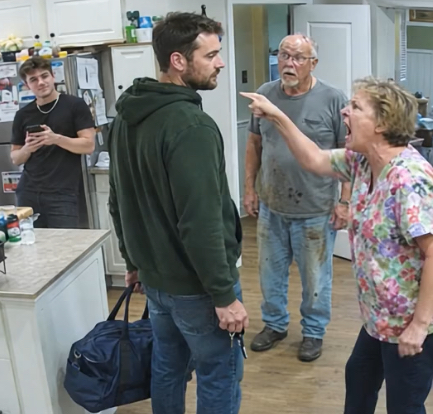
Mom screamed, ‘Get out and never come back!’ So I did. Weeks later, Dad called to
In the weeks following that phone call, I found myself piecing together the reality I had been blind to for so long. The house my parents lived in was more than just a home; it was a crumbling facade that was now showing its true state. As Dad hesitantly revealed over the phone, the financial troubles were far worse than I had imagined. The mortgage payment had been the only thing keeping their precarious situation from collapsing entirely, and without it, they were on the brink of losing everything.
Dad’s voice softened as he explained, “We’ve been in over our heads for years. The debts… they’ve piled up.”
I listened quietly, feeling a mixture of sadness and anger. I had carried their burdens without knowing the full weight of what I was supporting. It was clear they had been relying on me more than they ever admitted, hiding just how desperate their situation had become.
“We never wanted to tell you,” Dad continued, almost pleading. “We thought we could fix it before it got this bad.”
“Why didn’t you just ask for help? Real help?” I questioned, trying to understand the years of secrecy.
His silence was the only answer I needed. Pride, fear, perhaps shame—all of it had stood in the way. It was hard to stay angry when I heard the vulnerability in his voice, but it didn’t erase the hurt they had caused me. They hadn’t trusted me enough to share the truth, yet expected me to shoulder the consequences.
As the days passed, I started receiving messages from Ethan, surprisingly apologetic for his previous behavior. He promised things would change, that he’d start contributing more, and even offered to sell some of his possessions to help with the bills. Part of me wanted to believe him, but I knew change wouldn’t come easy for my family. Words were one thing; action was another.
Still, I found myself slowly opening to the idea of reconnecting, but on my own terms. I would not return to my old role of silent supporter. If they truly wanted me back in their lives, it would have to be as an equal, not an ATM.
One Saturday afternoon, I drove by the old house. It looked different—smaller, almost. Memories of growing up there flooded back, both good and bad. I realized that despite everything, I still cared. But caring didn’t mean losing myself again.
I decided to send a message to the family group chat, just as I had done weeks before. This time, it was a tentative olive branch. “I’m willing to talk, but only if we can be honest with each other. Let’s start fresh, not as dependents and provider, but as a family.”
As I waited for their response, I felt a strange mix of anticipation and anxiety. Would they accept my terms? Could they change? I didn’t know, but I was willing to find out—for my sake as much as theirs.
As much as the past hurt, I knew the future was unwritten. Part of me hoped it would lead to healing, but I was prepared for whatever came next. After all, I had learned to stand on my own, and I wasn’t afraid to do it again if I had to.
And this is far from the end. There’s more to this story, and if you want to read part 3, leave a comment below the Facebook post.